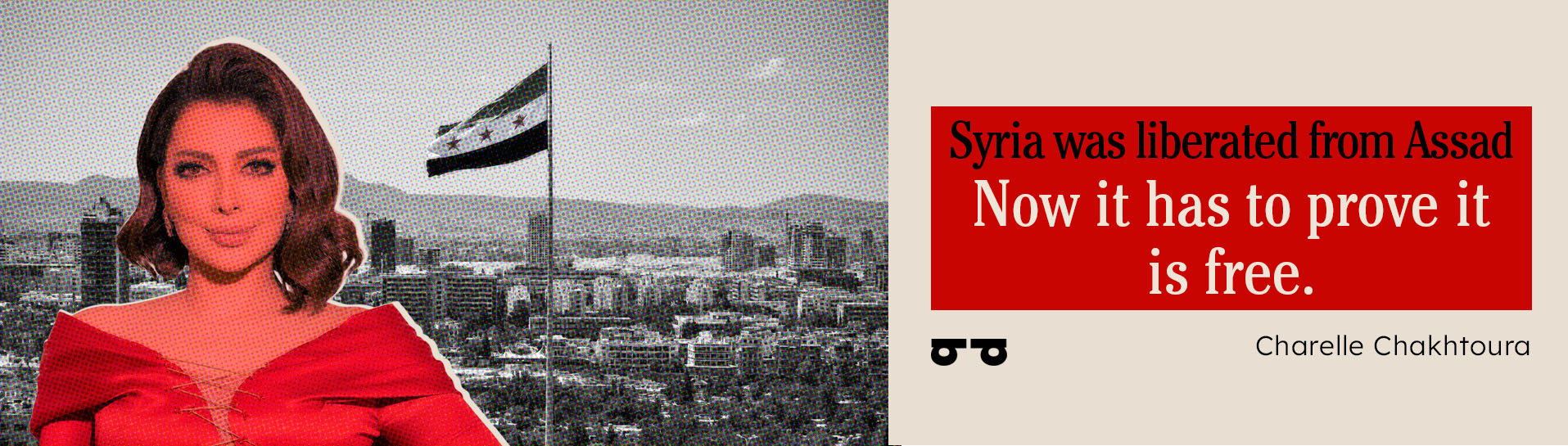

Syria was liberated from Assad: Now it has to prove it is free

14/09/2026
A
After nearly 15 years in exile, Syrian singer Asala is returning to Damascus on September 17 for her first concert in her hometown since 2011, right after the Syrian Civil War, under the sponsorship of Syria’s Ministry of Culture.
Her return has triggered calls from Salafi religious figures, more specifically from an extremist group known as “Duat al-Sham”, to cancel the concert under the pretense that singing and dancing performances conflict with religious and moral conservative values. The campaign has also been framed as part of a broader demand for state institutions to promote religious observance.
The real issue resides into determining who gets to decide what Syrians are allowed to hear, cheer on and celebrate.
As Lebanese, we have every reason to want a Syria that is stable, sovereign and prosperous. But stability cannot echo silence, and liberation cannot reflect an alternation of the authoritarian entity in power.
Asala’s return is symbolic. She was among the artists who openly opposed Bashar al-Assad, supported the rebels and paid a price for it: an irrevocable exile. Her return should therefore represent more than the fall of the regime that drove her away. It should represent the freedom to return, express herself and live without having to conform to someone else’s definition of what is permissible and socially acceptable.
The religious objections to Asala come amid other recent disputes over cultural and artistic events. That makes this homecoming a test for the new Syrian government and its people: will its liberation open society, or gradually condemn it to further isolation, extremism, and a growing hostility toward it?
The Ministry of Culture has so far stood by the concert, showing its commitment to openness and securing a Syria welcoming of all.
From our side, Lebanon does not need a weaker Syria. It needs a freer Syria.
A Syria where liberation means more than the removal of Assad, where Asala can finally come home, take the stage and sing without being stigmatized.